
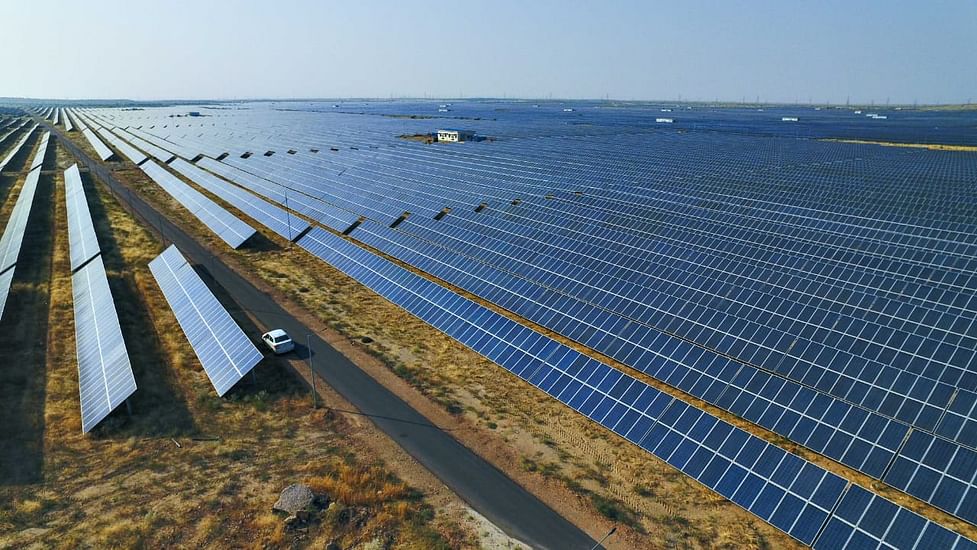
India’s solar build-out is accelerating, and the winners are not always those with the best sites. They are the businesses with the best-structured debt. Whether you are building a solar park to power your own plant or to sell power to the grid, the financing model you choose shapes your lenders, your DSCR and your long-term returns.
What Solar Park Finance Really Covers
Solar park finance is the debt and equity structuring behind a utility-scale or large commercial solar project. It typically funds land, modules, inverters, evacuation infrastructure and development costs. Most projects are financed on a project finance basis, so lenders look to the project’s future cash flows for repayment and not only to the promoter’s balance sheet.
Captive Solar Park Finance: Powering Your Own Growth
In a captive model, power is generated mainly for the promoter’s own use, or for a group of consumers who co-own the plant. It suits manufacturers in textile, diamond, chemicals and engineering with high, stable power demand and rising grid tariffs.
- Strength: the offtaker is the promoter or a related entity, so lenders assess a known business with a track record.
- Lender focus: the credit profile and continuity of the consuming unit, since project viability is tied to it.
- Group captive: under the Electricity Rules, consumers must meet the required ownership and consumption conditions to retain captive status. Lenders will verify this, and so should you.
- Advantage: savings on landed power cost, plus relief from certain grid charges depending on state policy, which strengthens debt servicing.
“Lenders do not fund solar panels. They fund predictable cash flows, so the structure behind the project matters as much as the technology on the roof.”
Deepak Pal, Pinnafund
Non-Captive Solar Park Finance: Building a Scalable Asset
Here the developer owns the plant as an independent power producer and sells power under a long-term PPA to a utility, a state discom, or commercial and industrial buyers through open access. It suits developers and investors building an income-generating renewable portfolio.
- Strength: a long-term contracted revenue stream with a creditworthy offtaker can support higher leverage and longer tenors.
- Lender focus: offtaker payment history, PPA terms, curtailment and the regulatory framework.
- Advantage: the model scales, and a strong PPA attracts a wide range of lenders.
Captive vs Non-Captive at a Glance
| Factor | Captive | Non-captive |
|---|---|---|
| Primary offtaker | Own unit or group consumers | Utility, discom or C&I buyers |
| Core credit assessment | Strength of the consuming business | PPA and offtaker strength |
| Revenue basis | Power cost savings | Tariff under PPA |
| Regulatory focus | Captive status conditions | PPA, open access, approvals |
| Best suited to | Industrial promoters | Developers and investors |
What Lenders Look for in Solar Project Finance
- Project report and CMA data with realistic generation, tariff and cost assumptions.
- DSCR analysis, with debt sized so cash flows comfortably cover repayment across scenarios.
- Sound structure: a suitable debt-equity mix, tenor, moratorium and repayment schedule.
- Clean approvals for land, grid connectivity, power evacuation and statutory clearances.
- Strong counterparties, including a credible EPC contractor, O&M provider and offtaker.
- Complete documentation, because an organised lender package shortens the path to sanction.
Where the Debt Comes From
Funding typically comes from public sector banks, private banks, specialised renewable energy financiers and NBFCs. The right partner depends on your project size, structure and timelines. Matching the project to the right lender early often matters as much as the interest rate.
How PinnaFund Supports Your Solar Project
PinnaFund is an independent debt advisory firm helping manufacturing and energy businesses raise funding from ₹50 lakh to ₹400 crore. For solar projects, we support you with:
- Choosing between captive and non-captive structures
- CMA data and DSCR modelling
- Credit appraisal and lender-ready documentation
- Lender identification and negotiation support
Planning a solar park? Book a free consultation and we will assess your project’s financing options.
Frequently Asked Questions
What is the difference between captive and non-captive solar financing?
Captive projects supply power mainly to the promoter or co-owning consumers, so lenders weigh the consumer’s credit strength. Non-captive projects sell power under a PPA, so lenders focus on the contract and the offtaker.
What DSCR do lenders expect for a solar project?
Lenders look for a comfortable cushion above 1.0x. The exact level varies by lender and risk profile, so it should be modelled under multiple scenarios.
Can MSMEs get a loan for a solar park?
Yes. Well-structured projects with sound cash flows can raise funding from banks and NBFCs, and the quality of documentation strongly influences the outcome.
How long does solar project loan approval take?
It depends on the completeness of approvals, documentation and the lender’s process. A well-prepared proposal moves faster.
