
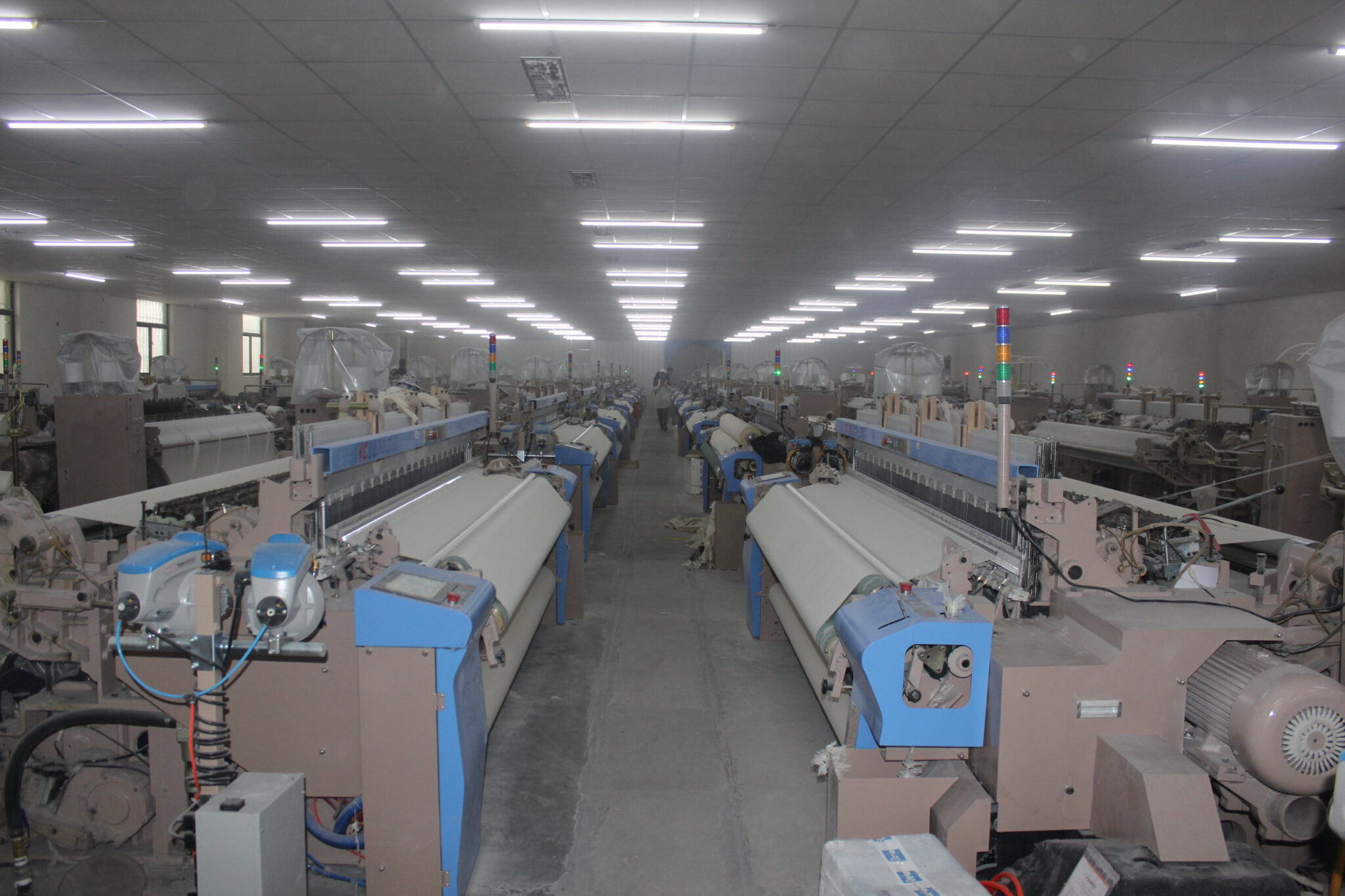
Expanding manufacturing capacity—whether installing high-speed weaving and continuous processing lines in textile hubs, setting up automated foundries, or adding precision CNC lines in an engineering plant—requires substantial upfront capital expenditure (Capex). Unlike routine working capital, Capex involves multi-year gestation periods before new machinery generates steady operating cash flows. Structuring project finance properly ensures that debt service obligations align with actual commissioning and ramp-up timelines rather than straining existing cash reserves.
Unveiling the Core Underwriting Benchmarks of Institutional Lenders
When scheduled commercial banks and industrial finance institutions evaluate a term loan proposal for plant expansion or greenfield setup, they look beyond asset valuation to test project viability across three core metrics:
Debt-Service Coverage Ratio (DSCR): Lenders typically look for a minimum average DSCR of 1.35x to 1.50x over the loan tenure, demonstrating that projected post-tax operating cash flows can comfortably cover both principal installments and interest obligations even under moderate margin compression.
Debt-to-Equity Ratio (DER): Depending on industry risk and promoter track record, institutional lenders generally require a promoter margin contribution of 25% to 35% of total project cost, keeping project leverage within sustainable thresholds.
Fixed Asset Coverage Ratio (FACR): A healthy FACR (typically 1.25x or higher) reassures lenders that the underlying industrial land, factory shed, and plant machinery provide adequate security cover throughout the amortization schedule.

Delving Into Moratorium Alignment and Repayment Architecture
One of the most common mistakes promoters make when funding Capex is accepting a standard, front-loaded equated installment schedule. Machinery imports, civil construction, installation, and trial runs routinely take 6 to 18 months before commercial production reaches optimal capacity utilization.
A well-structured project finance facility incorporates an implementation-plus-stabilization moratorium—where only interest is serviced during construction and initial commissioning—followed by a ballooned or step-up principal repayment schedule over 5 to 8 years. Matching lower principal repayments in Year 1–2 with higher repayments in Years 4–7 protects liquidity during early ramp-up while keeping the overall blended cost of capital competitive.
“Capex financing fails when short-term liquidity is used to fund long-term assets, or when term loan repayments begin before the machinery reaches commercial yield. True project structuring matches every repayment milestone to the commissioning curve of the plant.”
Deepak Pal, Pinnafund
Essential Components of a Bankable Project Dossier
To prevent prolonged lender queries and secure competitive interest spreads, promoters should structure their project appraisal around four pillars:
Detailed Project Report (DPR) & CMA Data: Five-to-seven-year financial projections grounded in realistic capacity utilization assumptions (e.g., 60% in Year 1, scaling to 80–85% by Year 3) and benchmarked raw material conversion margins.
Firm Proforma Invoices & Technical Specifications: Validated quotes from OEMs for imported and indigenous machinery, clearly separating basic equipment cost, GST, freight, erection, and commissioning expenses.
Statutory Clearances & Utility Tie-Ups: Evidence of industrial land title, State Pollution Control Board environmental consents, power load sanction, and water/steam utility approvals to eliminate execution delay risks.
Subsidy Integration Mapping: Explicitly factoring eligible state or central capital and interest subsidies into the cash flow model to demonstrate stronger net DSCR and faster debt deleveraging.
Sequencing Financial Closure for Smooth Execution: Beyond assembling the appraisal dossier, successful Capex execution depends on synchronizing promoter equity infusion, letter-of-credit openings for imported machinery, and term loan tranche disbursements. When banking covenants, moratorium windows, and subsidy registrations are locked in prior to commercial production, promoters preserve operational liquidity and position the expanded unit for sustained margin growth.
